
Bag Lord: Protest, Place and Imagined Futures
Bag Lord, artist Ewan Johnston, activist and proud Black Country dreamer, doesn’t offer easy answers. “Advice is silly,” he says. “I’ve no idea what I’m doing.” But across Wolverhampton’s streets and social spaces, his bold protest art, posters and portraits have become part of the local visual landscape, confronting power, inviting humour, and always asking: what else is possible? “I grew up in a family that had a lot of conversations about politics,” he explains. “I’ve always felt, probably because of how I was raised, that protesting stuff was a good thing to do… When things happen, I make art about it. That ends up being political.”
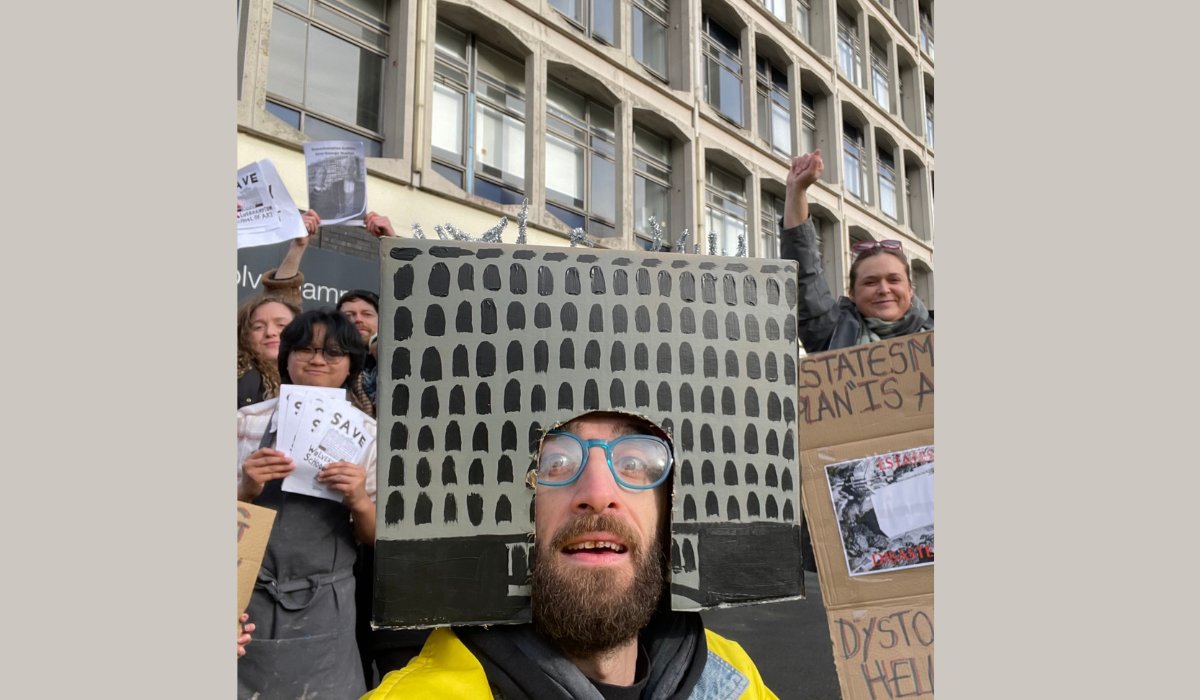
Under the pseudonym Bag Lord “just two unlikely symbols smashed together”, he’s tackled issues ranging from national policy to local arts cuts. One of his most visible campaigns highlighted the potential closure of Wolverhampton University’s art building. “Erm, I hope that it let the university know that it’s an important institution and building,” he shrugs. “But who knows… you’ve just gotta do things and say things when you feel things about stuff, or you’ll explode or shut down, I think.” That impulse to create runs through all of Bag Lord’s work. Whether through graphic street art, portraits of local creatives, or public workshops, there’s an urgency to it. But also humour. “It’s a coping mechanism,” he says. “You’ve gotta laugh or you’ll cry. And I like laughing at myself.”
In 2022, as part of Creative Black Country’s Offsite9 programme, alongside artist Leanne O’Connor, he ran Imagine, a placard-making workshop where participants designed their own messages for Wolverhampton. The experience sparked something unexpected: “I was really surprised how much I enjoyed facilitating other people making art and talking about things. It’s something I’ve done a lot more of since then.”
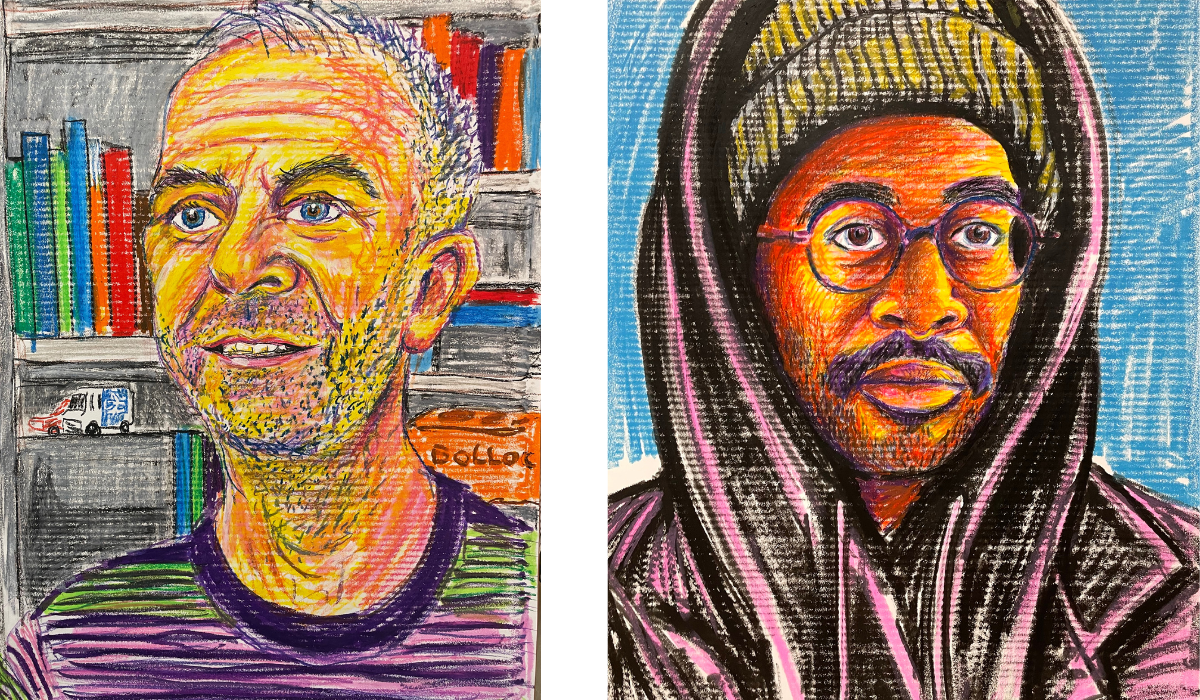
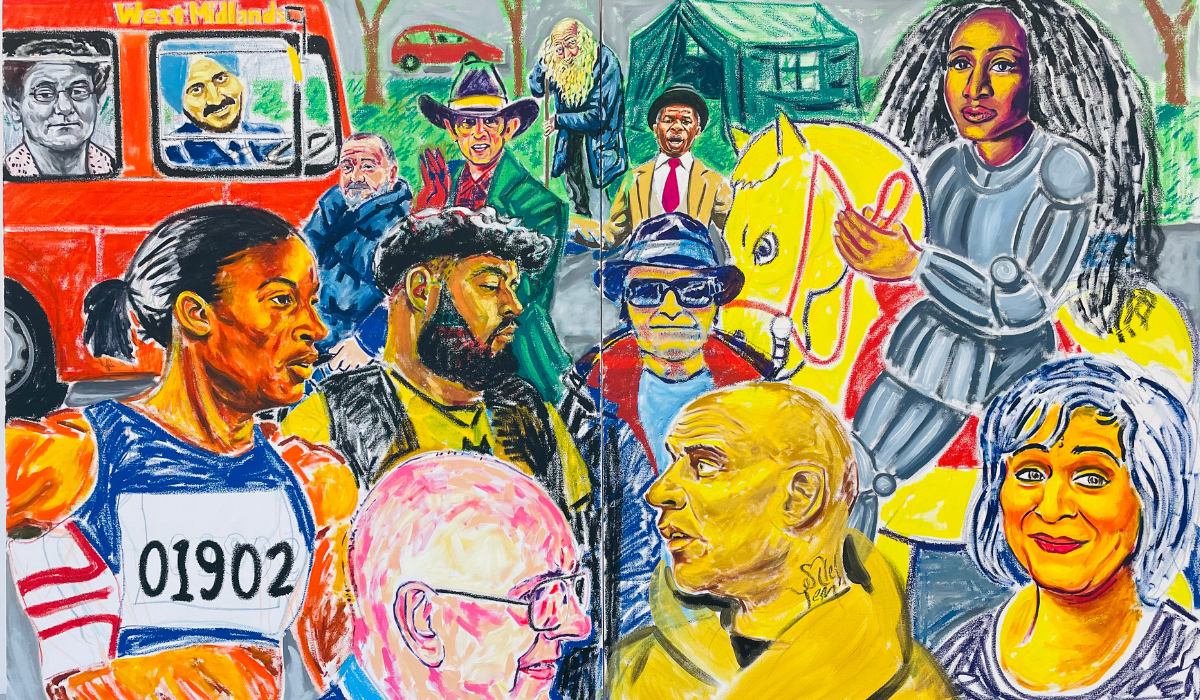
Bag Lord’s commitment to place runs deep. “I think place is important,” he says. “I do it as a way to show gratitude and appreciation for the place that helped raise me. I think everywhere is unique and special in its own way: Wolverhampton is, and the Black Country is, and Mercia is. I hope one day I see Britain fall and Mercia rise again. Long live Mercia!”
But alongside the frustration and satire lies a hopeful core, a belief that imagining new futures is a radical act in itself. He cites author Ursula Le Guin as inspiration: “I’m a really big fan of Ursula lequin and I love that quote of hers that says: ‘We live in capitalism. Its power seems inescapable. So did the divine right of kings. Any human power can be resisted and changed by human beings. Resistance and change often begin in art, and very often in our art, the art of words.’It’s important to dream and imagine alternatives otherwise, what’s the point in having an imagination in the first place?"