
An additional £3,000 has been awarded to Gazebo Theatre to build on Outside In, the immersive projection project they began as part of the second cohort of Black Country Digital Firsts. The Creative Black Country programme supports artists and organisations to experiment with digital technology in their creative work.
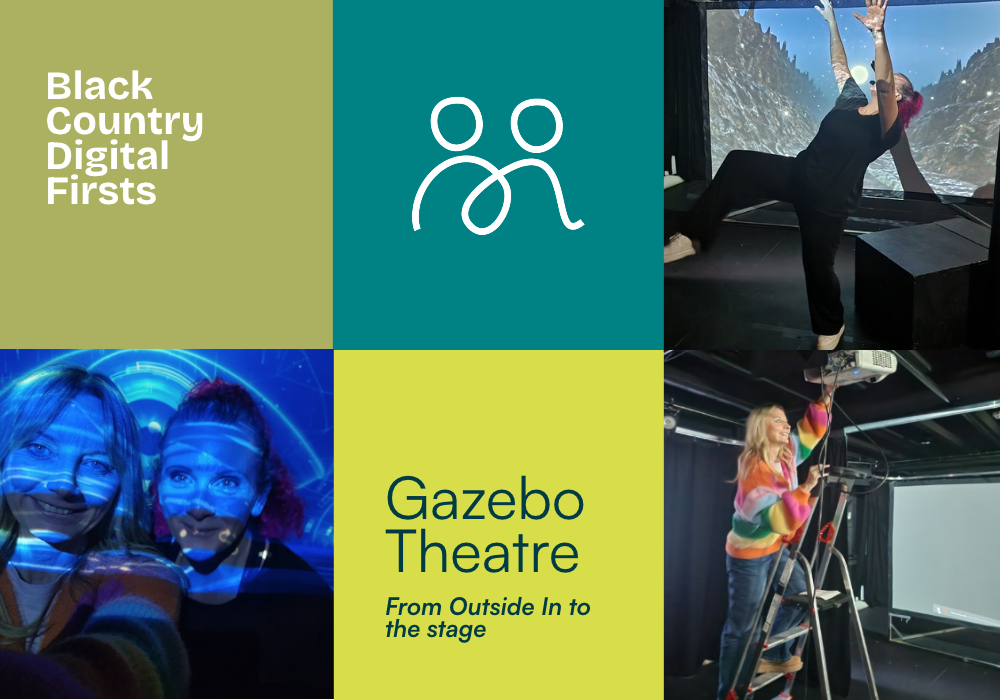
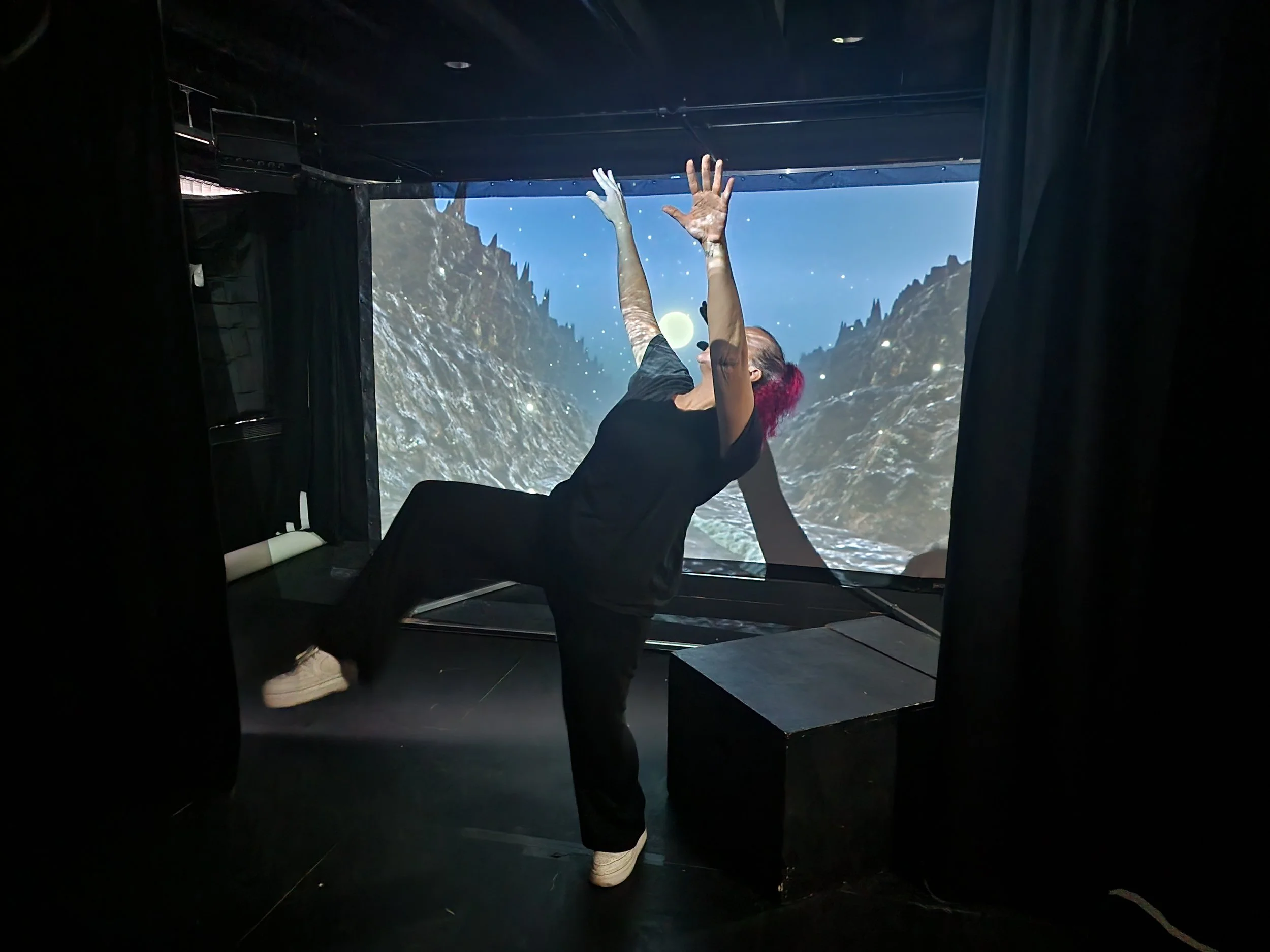
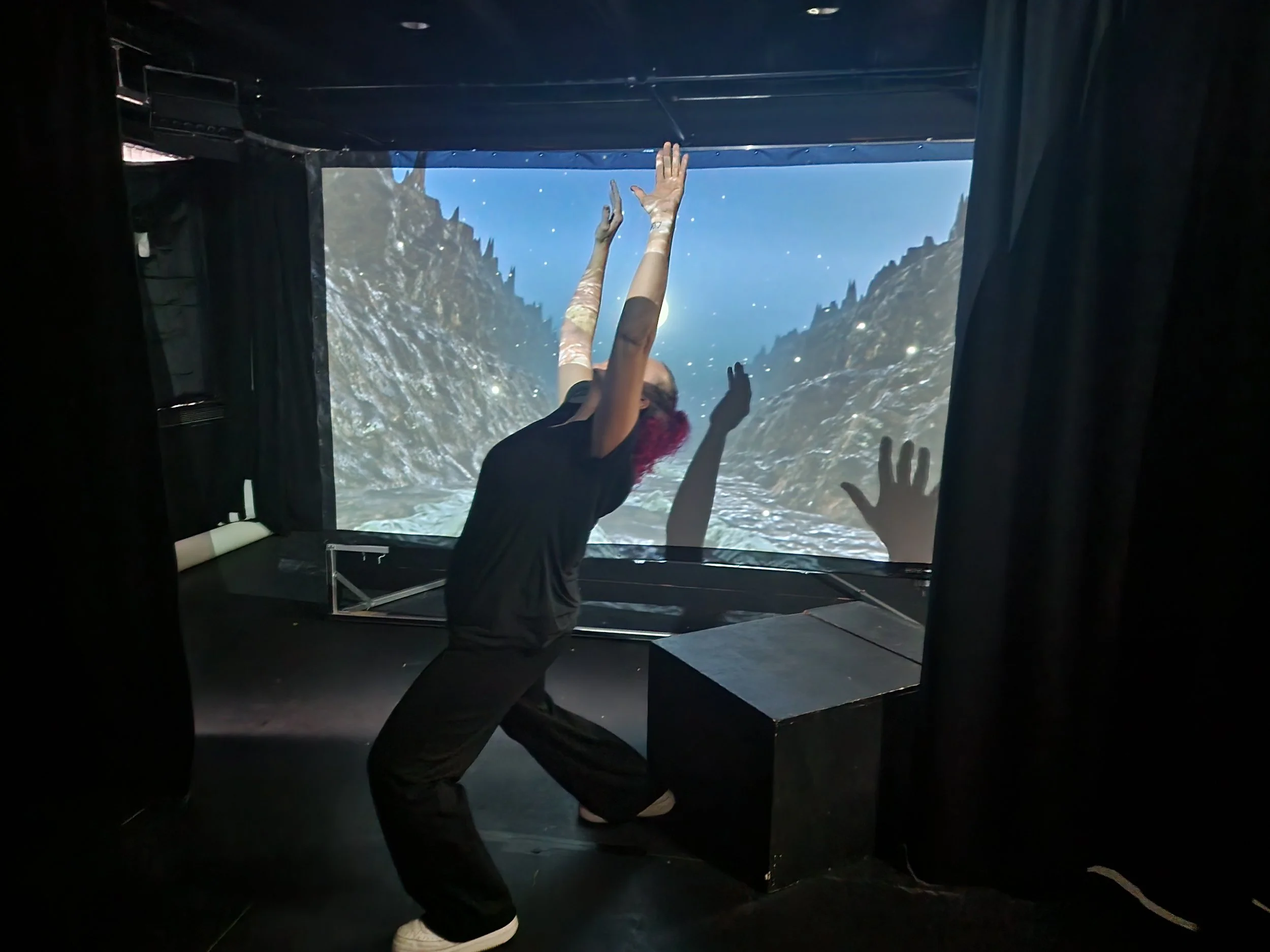
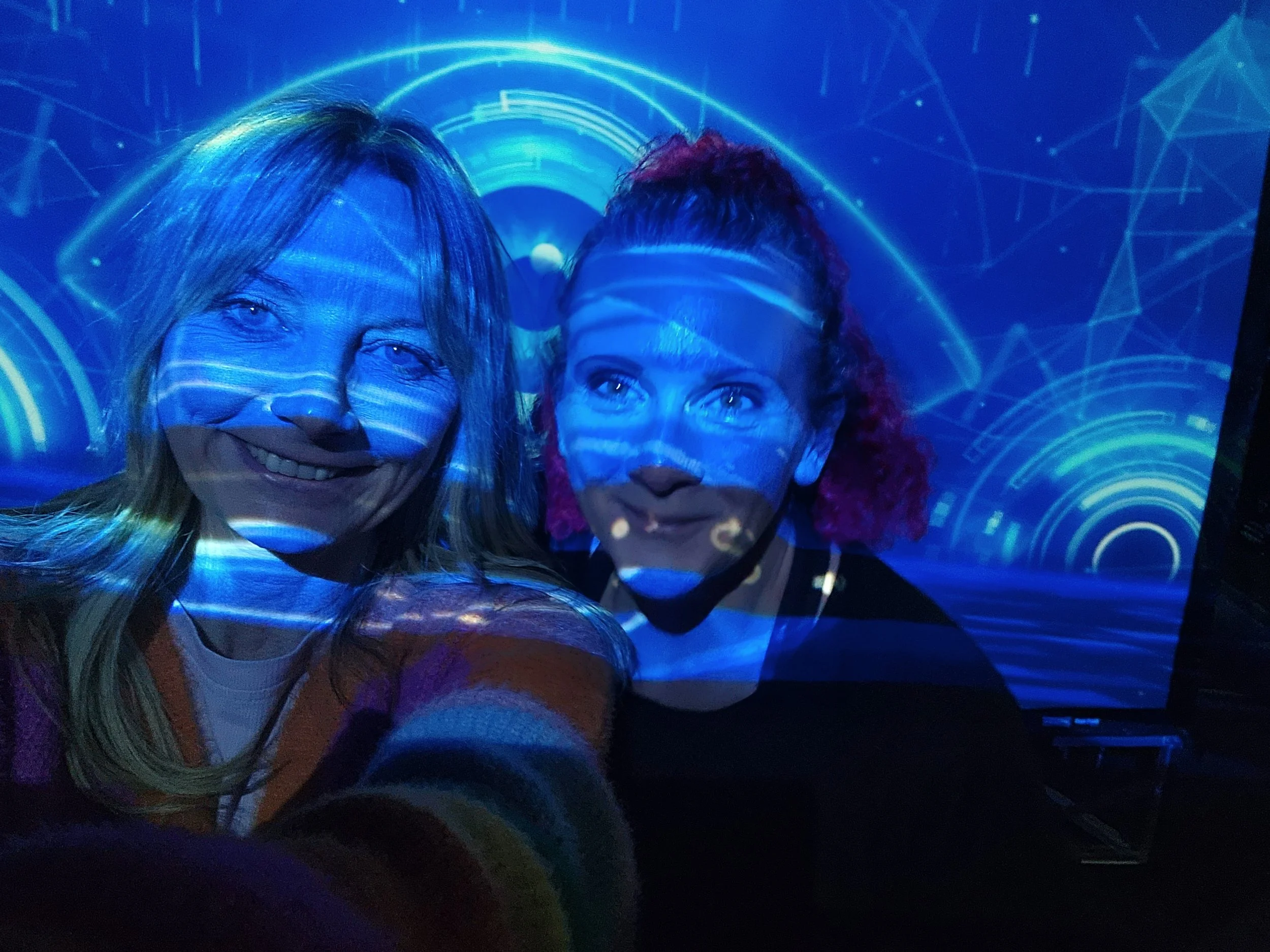
What happens when a dancer can respond to the light and images around them? That’s the question Gazebo Theatre is exploring in its Bilston studio, where the team is developing a short piece that combines dance, movement and projection mapping. They’re experimenting with how projected images can change the space around a performer, shift the atmosphere and help tell the story.
Bringing the outside in
When we first spoke to Gazebo Theatre for Black Country Digital Firsts, the team wanted to learn projection mapping and use it to bring a little of the natural world into an urban setting. The idea became Outside In, an immersive installation that used images and sound inspired by nature and the changing seasons to give visitors a place to pause. A research visit to London’s Frameless exhibition helped the team think about how they could create an experience on a more intimate scale in Bilston. Read our original Gazebo Theatre profile and find out more about Outside In.
Even then, the team was keen to use projection mapping in future theatre shows. The new funding gives them time to explore what happens when a live performer becomes part of the projected scene.
Making time to experiment
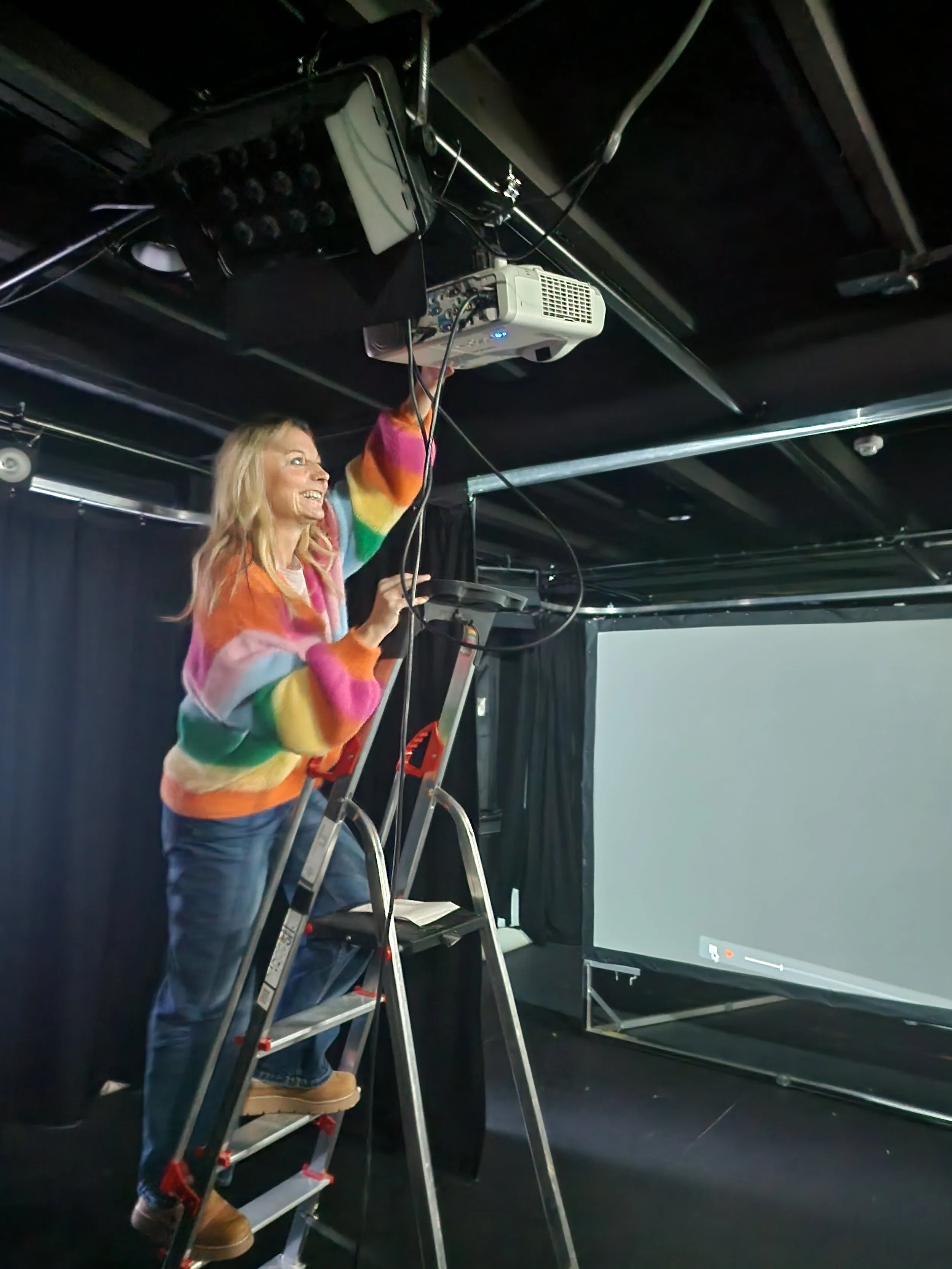
The additional £3,000 will allow Gazebo Theatre to work with a dancer and buy equipment and materials, including theatre gauze, a fine fabric the team will use to experiment with layered projections. They’ll also build on their work with DaVinci Resolve for film editing and visual effects and MadMapper for projection mapping. Learning to programme scenes and set cues in advance will help them use those effects more confidently in future shows.
For Beth Keska-Davies from Gazebo Theatre, having time to test ideas has been just as valuable as learning the software.
“BCDF has given us the freedom to try new techniques, explore equipment and software, make mistakes and discover what works through practical experimentation.”
“It has encouraged us to be more adventurous in our creative thinking and to explore possibilities that we might otherwise have felt were beyond our technical knowledge or available resources.
The opportunity to simply play, test ideas and see where they lead has been both refreshing and inspiring.”
Meeting others on the programme gave the team a chance to compare notes on what worked and what went awry. For a busy theatre company, that time to explore away from the demands of putting on a show has been a significant part of the experience.
“Importantly, this investment will have a lasting impact beyond the project itself, giving us new skills, resources and creative possibilities that we can continue to use in our theatre work.”
Sharing what they learn
Gazebo Theatre hopes to bring projection mapping and digital effects into future productions and give its adult community groups a chance to try the technology for themselves. The skills the team first developed to bring the outdoors into a room could now help more people in Bilston experiment with how light, movement and imagery can tell a story.
“For us, an important part of the project's legacy is making digital creativity more accessible, encouraging participation and demonstrating how technology can enhance traditional art forms such as theatre, dance and storytelling.
We hope to contribute to a growing culture of creative experimentation across the Black Country, where digital innovation becomes something that communities can actively engage with, rather than simply observe.”